Showing posts with label 2008. Show all posts

16 January 2009

Available products in Winter 2008-2009

0 comments

แปลงผักอินทรีย์

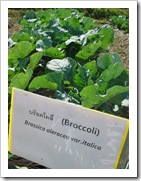
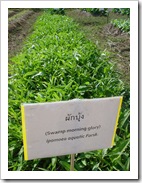
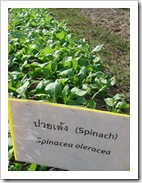
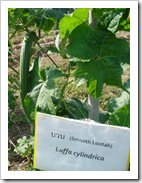
บลอคโคลี่ ผักบุ้ง ปวยเล้ง DSC00315 มะระ DSC00323

สถานีทดลองได้ทำการเพาะปลูกพืชผักด้วยวิธีทางเกษตรอินทรีย์บนเนื้อที่ 100 ตารางวา ประกอบด้วย บลอคโคลี่ ผักบุ้ง ปวยเล้ง บวบ และมะระ โดยใช้ปุ๋ยคอกและปุ๋ยหมักที่ผลิตได้เองในสถานีทดลอง ผลผลิตที่ได้ในช่วงเริ่มแรกจะไม่ค่อยได้คุณภาพเนื่องจาก มีการระบาดของหนอน หลังจากฉีดพ่นสารสกัดชีวภาพประกอบกับสภาพอากาศที่เย็นทำให้ผลผลิตเริ่มดีขึ้น สามารถเก็บเกี่ยวได้ทุกวันตั้งแต่เดือนธันวาคม 2551

นอกจากนี้ยังมีการทดลองปลูกผักสลัดด้วยระบบไร้ดิน (Soiless culture or Hydroponics) ในโรงเรือน จำนวน 300 ต้น ผลผลิตที่ได้มีความสมบูรณ์ดี
Read full story

12 September 2008

Available product in September 2008

0 comments

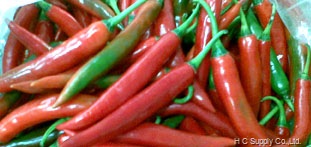
chili 

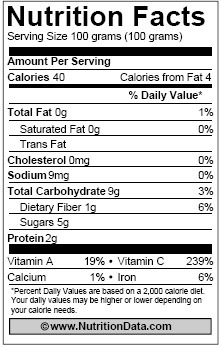
chili's nutritionพริกสด

ทำไมพริกถึงเผ็ด??? ก็เพราะว่าพริกมีสารมหัศจรรย์ตัวหนึ่งที่ชื่อ "แคปไซซิน" (capsaicin) ยิ่งสารตัวนี้มีมากเท่าไร ความเผ็ดก็มากตามไปด้วย แต่มีผลวิจัยทางการแพทย์ระบุว่า สารแคปไซซินช่วยบรรเทาอาหารปวดของโรคไขข้ออักเสบได้ และที่น่าสนใจก็คือ คนที่รับประทานอาหารที่ประกอบไปด้วยพริกเป็นประจำ จะมีความเสี่ยงต่ำต่อโรคหัวใจ และเส้นเลือดอุดตัน เนื่องจากสารแคปไซซินมีส่วนช่วยลดโคเลสเตอรอล ไตรกลีเซอไรด์ และการอุดตันของเส้นเลือด

นอกจากแคปไซซินแล้ว ในพริกสีแดงยังอุดมไปด้วย เบต้าแคโรทีน (beta-carotene) หรือโปร-วิตามินเอ และวิตามินซี ซึ่งเป็นสารต้านอนุมูลอิสระ ช่วยลดความเสี่ยงในการเกิดโรคมะเร็งอีกด้วย

สำหรับสาวๆคงจะถูกใจหากได้ทราบว่าความเผ็ดร้อนของพริกทำให้เกิดการเผาผลาญพลังงานในร่างกาย เพราะฉะนั้นมาเติมพริกลงไปเล็กน้อยในอาหารแต่ละมื้อกันดีกว่า

ในการปรุงอาหารด้วยพริก หลายคนอาจเคยประสบปัญหาแสบตา แสบผิวหนัง เนื่องจากความร้อนของพริก หากล้างด้วยน้ำแล้วยังไม่หาย วิธีแก้ไขง่ายๆก็คือให้เช็ดหรือจุ่มในนมสดแช่เย็น โปรตีนเคซีน (casein) ในนมจะช่วยขจัดอาการแสบร้อนได้

Read full story

08 August 2008

Available Products in August 2008

0 comments

GINGER

History and Facts:
Ginger, a knobby, fibrous root, has smooth light brown skin with a sheen to it. The flesh of the root is white. Ginger root is a seasoning and flavors sweets, including cakes, cookies, breads, and beverages. It is also good in sauces, and fruit dishes, and is often used heavily in Asian cooking. When buying, look for ginger root with the least amount of knots and/or branching.


Storage:
Ginger root should be kept in a cool, dry place, usually at 40 to 45 degrees Fahrenheit. After purchasing, ginger may be refrigerated in plastic wrap for up to one week. For longer storage, peel ginger root and cover it with sherry wine before refrigeration. Freezing for up to three months is also an option.


Medicinal Uses:
Ginger is an excellent natural remedy for nausea, motion sickness, morning sickness and general stomach upset due to its carminative effect that helps break up and expel intestinal gas. Ginger tea has been recommended to alleviate nausea in chemotherapy patients primarily because its natural properties do not interact in a negative way with other medications. It is a safe remedy for morning sickness, since it will not harm the fetus. Some studies show ginger may also help prevent certain forms of cancer.
To make ginger tea, slice some ginger root, put it in a tea ball and place in a teapot. Pour boiling water over the tea ball and let it sit for ten minutes. Sweeten with honey or drink it straight.
In spite of it being a natural remedy, it's important that any medicinal use of ginger be discussed with a physician, as it must be taken in moderation to avoid gastric irritation.

The good: This food is low in Saturated Fat, and very low in Cholesterol and Sodium. It is also a good source of Vitamin C, Magnesium, Potassium, Copper and Manganese.

Read full story

17 June 2008

Available Products in July 2008

0 comments
GHERKIN

The gherkin is commonly found in slices littering an area of roughly one square mile around any fast food restaurant. However, this is not their natural state. In fact it isn't their natural state to be in fast food restaurants at all. The pickled gherkin is a pickled cucumber, and not a gherkin. There is no such thing as an un-pickled gherkin. But, nevertheless, if you take a young cucumber and preserve it in a jar of vinegar it becomes a gherkin.

Gherkins are believed to have been the first ever pickle and were enjoyed 4500 years ago in Mesopotamia. Cleopatra was a fan of pickles, as she believed that they would enhance her beauty. Roman legionnaires and Napoleon's troops all enjoyed their pickles too, and during the Second World War 40% of all pickles produced in the US were earmarked for the Armed Forces - it would seem that the humble gherkin is a serious aid to warfare.


The good: This food is low in Saturated Fat, and very low in Cholesterol and Sodium. It is also a good source of Vitamin A, Pantothenic Acid, Magnesium, Phosphorus and Manganese, and a very good source of Vitamin C, Vitamin K and Potassium.

The bad: A large portion of the calories in this food come from sugars.


EGGPLANT


The eggplant is a member of the nightshade (Solanaceae) family to it is akin to the potato, tomato as well as the tomatillo and chayote. Although we use the eggplant as a vegetable it is really a fruit. While there are many variations of eggplant the most common in the US are “Black Beauty” (the large, dark glossy typical grocery store variety) and Japanese, the long slender version sometimes light purple. If you follow some of the links in this article you will learn about an amazing array of eggplant fruits in various colors, shapes and sizes.The English actually gave the fruit the name of "eggplant" referring one one varieties shape which was similar to an egg. To much of Europe the eggplant is referred to as an "aubergine" and Italy it is called melanzana.


History
The eggplant is native to India and Pakistan and was first domesticated over 4000 years ago. The fruit was introduced to China around 500 B.C. The Chinese hybridized their own varieties of different shaped and colored eggplants.The migration of the eggplant continued in the 9 – 12th centuries to the Middle East and westward to Egypt. The moors introduced the eggplant to the Spaniards and the fruit became popular all over Europe. The Spaniards thought the eggplant was an aphrodisiac and referred to as “Berengenas” or “The Apple of Love”. This of course added greatly to the popularity of the unusual fruit.The love affair with the eggplant took a downward turn in Northern Europe where Albert of Cologne referred to the fruit as "Mala Insana" or "Mad Apples" (a take off of the Italian name "melanzana"). The fruit was thought to cause insanity if it was eaten. It seems the commoners got over that and by the 1600's several varieties migrated from Naples to Germany.While the Spaniards were traveling the globe they took the eggplant to South America around 1650. It was Thomas Jefferson (well known for his promotion of horticulture) who introduced them to the United States in 1806 after receiving an eggplant from a friend in France.

Eggplant Varieites
This is just a sampling of a few of the many eggplant varieties available.
Western (Globe) Eggplant - This is your common grocery store variety. They are typically large with glossy dark skin. Use for eggplant parmesan or nice large slices for frying or grilling. Or cut in cubes and use in our Turkey Eggplant Chili recipe.
Japanese or Asian - This is one of my favorites. The Japanese long, slender eggplant is great for small servings. Slice lengthwise and grill or bake. We used Japanese eggplant for our Eggplant Parmesan. Also you can slice thin and use to wrap other ingredients.
Egg Shaped - there are many egg-shaped varieties in purple, white and variegated like the picture above. These are fun to grow and are practical for some recipes.
Miniature or "baby" -
Amishlandseeds.com carries several varieties some the size or walnuts and other bright orange. The small varieties can be cooked more quickly and tend to be less bitter even with a little aging.

Uses
With such a long culinary evolution eggplant uses are many and include, grilling, frying, baking or stewing and dips. The practice of "breading" keeps the spongy fruit from absorbing too much oil when fried.Eggplants make a very good meat substitute for vegetarian cooking.

Medicinal Uses

Studies of the Institute of Biology of São Paulo State University, Brazil (Instituto de Biociências of the UNESP de Botucatu, São Paulo) showed that eggplant is effective in the treatment of high blood cholesterol hypercholesterolemia.
It can block the formation of free radicals, help control cholesterol levels and is also a source of folic acid and potassium.
Eggplant is richer in nicotine than any other edible plant, with a concentration of 100 ng/g (or 0.01mg/100g). However, the amount of nicotine from eggplant or any other food is negligible compared to passive smoking. Therefore, 20lbs of eggplant, on average, would contain about the amount of nicotine in an average cigarette.


The good: This food is very low in Saturated Fat, Cholesterol and Sodium. It is also a good source of Vitamin C, Vitamin K, Thiamin, Niacin, Vitamin B6, Pantothenic Acid, Magnesium, Phosphorus and Copper, and a very good source of Dietary Fiber, Folate, Potassium and Manganese.


The bad: A large portion of the calories in this food come from sugars.
Read full story
Related Posts with Thumbnails

H C Supply Co.,Ltd.. Get yours at bighugelabs.com

H C Supply Co.,Ltd.
162 Moo12 Weingkalong Sub-District, Weingpapao District, Chiangrai 57260 THAILAND
Tel. +66 (0)53 952 418 Fax. +66 (0)53 952 136
E-mail : hsuchuanfoods@hotmail.com
 

H C Supply Co.,Ltd. © 2008 Business Ads Ready is Designed by Ipiet Supported by Tadpole's Notez